

What to Look for When Viewing a House
Not sure what to look for when viewing a house? Use this checklist to spot problems and ask the right questions, whether you're buying or renting.
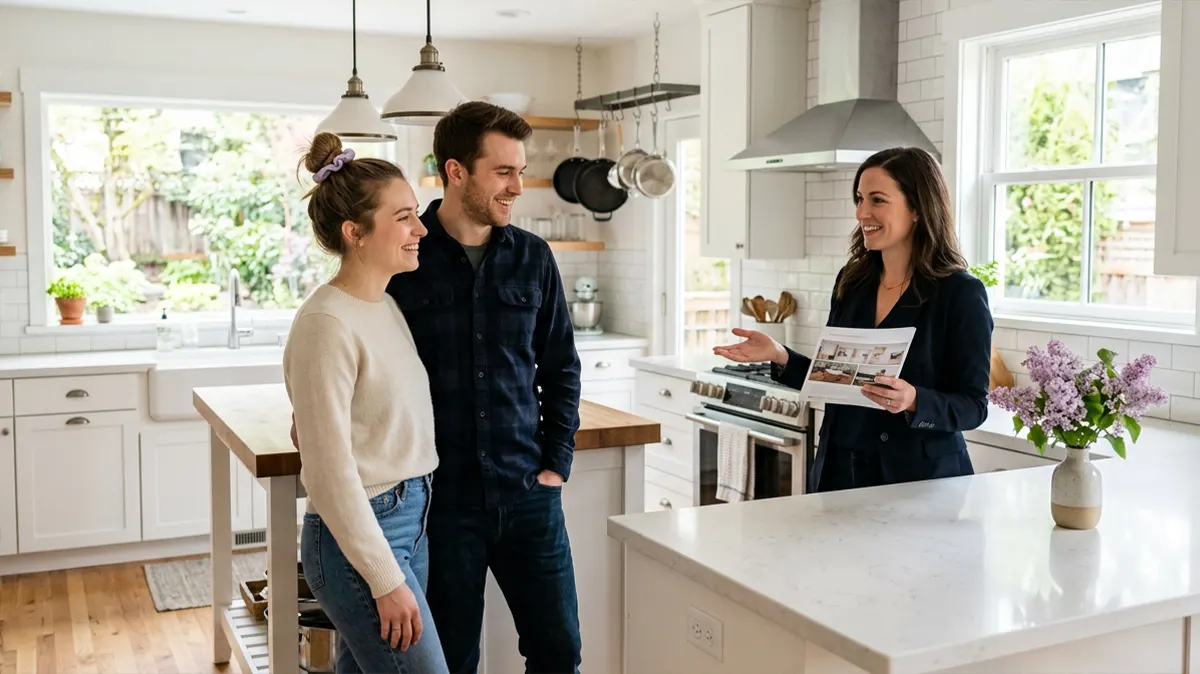
Knowing what to look for when viewing a house can help you avoid expensive surprises and feel more confident when it’s time to make an offer.
It’s easy to fall in love with a stylish kitchen or a beautifully decorated living room, but a property viewing is your opportunity to look beyond the surface. From checking for signs of damp to assessing the surrounding area, there are plenty of things worth paying attention to before deciding whether a property is right for you.
Whether you’re a first-time buyer or you’re already on the property ladder, this guide covers what to look for when viewing a house, the questions to ask and the checks that could save you time, money and stress later on.
How to Prepare Before a Property Viewing
A little preparation before your viewing can help you get much more out of it. Rather than relying on first impressions, go in with a checklist and a clear idea of what matters most to you.
What to research before you visit
Before arranging a viewing, spend a few minutes researching both the property and the local area.
Things worth checking include:
Recent sold prices for similar homes nearby
Transport links and commuting times
Local schools and amenities
Council tax band
Flood risk
Any planning applications nearby
Looking at these details beforehand can help you decide whether the property is worth viewing in person.
If you’re still at the start of your property search, our guide with tips for buying a house explains each stage of the buying process.
How many times should you view a house?
One viewing is rarely enough to make such a big decision.
If you’re seriously considering making an offer, try to arrange a second viewing. Visiting at a different time of day can give you a much better feel for the property and the neighbourhood.
For example, an area that’s quiet on a weekday afternoon might be much busier during the school run or evening rush hour.
A second visit also gives you another chance to check anything you may have missed the first time.
What to bring to a property viewing
You don’t need much, but taking a few essentials can make the viewing much more useful.
Consider bringing:
A notebook or your phone to make notes
A tape measure if room sizes are important
Your phone to take photos (if the agent is happy for you to)
A list of questions
Someone whose opinion you trust
If you’re viewing several properties in one day, making notes straight after each viewing can help you compare them later.
Image suggestion: Buyer taking notes during a property viewing.
Alt text: Person using a checklist while viewing a house.
What to Look for on the Outside of a Property
First impressions matter, but don’t stop at the front door. The outside of a property can reveal signs of maintenance issues that may not be obvious inside.
Roof, gutters and external walls
Take a few moments to look up before heading inside.
Check for:
Missing or slipped roof tiles
Damaged chimneys
Sagging or overflowing gutters
Cracks in brickwork
Signs of water staining on external walls
None of these automatically mean there’s a serious problem, but they could suggest maintenance work may be needed.
Windows, doors and the front of the property
Look closely at the condition of the windows and doors.
Ask yourself:
Are the windows double glazed?
Do the frames look well maintained?
Is there condensation trapped between the glass?
Do the doors appear secure and in good condition?
Replacing windows or external doors can be expensive, so it’s useful to understand their condition before making an offer.
Parking, garden and outdoor space
Think about how the outside space fits your lifestyle.
Consider:
Is there enough parking for your household?
Is on-street parking restricted?
Does the garden get much sunlight?
Are fences and boundaries clearly maintained?
Is there enough outdoor storage?
If you have children or pets, you’ll also want to think about how secure the garden feels.
Image suggestion: Exterior of a UK home showing driveway and garden.
Alt text: Outside of a house with driveway and garden.
What to Look for Inside the Property
When you’re inside, try not to focus too much on the furniture or décor.
Instead, pay attention to the condition of the building itself. Cosmetic changes are relatively easy to make, but structural repairs can be much more expensive.
Signs of damp and mould
One of the biggest things to look out for when viewing a house is damp.
Common signs include:
A musty smell
Black mould around windows
Peeling wallpaper
Bubbling paint
Water stains on walls or ceilings
Some condensation is perfectly normal, particularly in bathrooms, but widespread damp could point to a larger issue.
Walls, ceilings and floors
As you move around the property, look carefully at the walls, ceilings and flooring.
Keep an eye out for:
Large cracks
Uneven floors
Ceiling stains
Doors that don’t close properly
Areas that have been freshly painted while the rest of the room hasn’t
These don’t necessarily mean there’s structural movement, but they’re worth asking about.
Boiler, heating and plumbing
Heating and plumbing systems are expensive to replace, so it’s worth checking their condition during the viewing.
Ask:
How old is the boiler?
When was it last serviced?
Has any major plumbing work been carried out?
If possible, turn on a tap to check the water pressure and look underneath sinks for any obvious leaks.
Electrics and wiring
You won’t be carrying out a full electrical inspection during a viewing, but there are still a few things you can look for.
Check whether the property has:
A modern consumer unit (fuse box)
Plenty of plug sockets
Working light switches
Smoke alarms
Any exposed or damaged wiring
If you’re unsure, a qualified electrician can assess the system later as part of your due diligence.
Room sizes, storage and layout
Try to picture yourself living in the property rather than focusing on how it’s currently furnished.
Ask yourself:
Will your furniture fit?
Is there enough storage?
Does the layout work for your lifestyle?
Could you work from home if needed?
Taking a few measurements can help avoid surprises later.
Natural light, noise and privacy
Natural light can completely change how a home feels.
Open curtains where possible and notice:
Which rooms get the most daylight
Any traffic noise
Whether neighbouring properties overlook the garden
How private the outdoor space feels
These are the sorts of details that can make a big difference once you’ve moved in.
Location and the Surrounding Area
The property itself is only part of the picture. The surrounding area can have just as much impact on whether a home is right for you.
Transport links, schools and amenities
Think about how the location will work for your day-to-day life.
Consider how close the property is to:
Public transport
Schools
Supermarkets
GP surgeries
Parks and green spaces
Main road links
If you’re still comparing different areas, you’ll find more advice in our guides for buyers.
Visiting the area at different times of day
If possible, visit the neighbourhood outside your scheduled viewing.
An area can feel very different during the morning commute, after school or later in the evening.
Checking at different times can give you a better idea of:
Traffic
Parking availability
Noise levels
General atmosphere
Flood risk, planning and future developments
Before making an offer, it’s worth checking whether the property is in an area that’s at risk of flooding or whether there are any major developments planned nearby.
New housing developments, road schemes or commercial buildings could all affect the area in years to come.
Questions to Ask When Viewing a Property
A viewing isn’t just about looking around. It’s also your chance to gather information that could influence your decision.
Questions to ask the estate agent
Don’t be afraid to ask questions.
Some useful ones include:
Why is the property being sold?
How long has it been on the market?
Have there been any offers?
What’s included in the sale?
Has any major work been carried out?
Are there any known issues with the property?
If you’re viewing with Purplebricks, you can also find out how viewings work before booking your appointment.
Questions to ask about neighbours and the area
The estate agent may not know every detail about the neighbourhood, but it’s still worth asking a few practical questions.
For example:
What’s parking like during the evenings?
Are there any planned developments nearby?
Is there a residents’ management company?
Have there been any neighbour disputes?
If you can, spend a little time walking around the area before or after your viewing. You might notice things that aren’t obvious from inside the property.
Freehold vs leasehold: what to check at viewing
If the property is leasehold, it’s worth asking a few additional questions early on.
These include:
How many years are left on the lease?
Are there any annual service charges?
Is there any ground rent to pay?
Are there restrictions on pets, subletting or making alterations?
Your solicitor will check all of this during conveyancing, but understanding the basics before making an offer can help you avoid any surprises.
Image suggestion: Estate agent speaking with buyers during a viewing.
Alt text: Buyers asking questions while viewing a property.
What to Look for When Viewing a Rental Property
If you’re renting rather than buying, many of the same checks still apply. However, there are a few extra things to keep in mind.
Key checks for renters vs buyers
As well as checking the property’s condition, make sure you understand what’s included in the tenancy.
Ask about:
Which appliances are included
Whether the property is furnished or unfurnished
Broadband availability
Parking arrangements
Who is responsible for repairs
Council Tax band
It’s also worth checking the Energy Performance Certificate (EPC), as this can give you an idea of how energy efficient the property is and what your bills might look like.
Red flags to spot when viewing a rental
Some issues should make you ask more questions before signing a tenancy agreement.
Look out for:
Signs of damp or mould
Poor maintenance
Broken fixtures or fittings
Windows that don’t open properly
Missing smoke alarms
Strong odours that could indicate underlying issues
If anything doesn’t seem right, ask the landlord or letting agent how and when it will be resolved.
After the Viewing: Your Next Steps
Once you’ve viewed a few properties, it’s easy for them to blur together.
Taking a few minutes after each viewing to review your notes can make comparing homes much easier.
How to compare properties after multiple viewings
Try scoring each property against the things that matter most to you.
For example:
Location
Condition
Size and layout
Storage
Outdoor space
Value for money
Photos and notes can also help you remember details that may otherwise be forgotten after several viewings.
Don’t feel pressured into making an immediate decision. Buying a home is a major commitment, and taking a little extra time can help you feel more confident about your choice.
What happens after you make an offer?
If your offer is accepted, the legal process begins.
You’ll appoint a solicitor or conveyancer, arrange your survey (if you haven’t already), confirm your mortgage and your solicitor will carry out the necessary legal checks before contracts are exchanged.
While it can take several weeks to complete, having done your homework during the viewing stage means you’re much less likely to run into unexpected surprises.
Image suggestion: Buyers reviewing notes after a property viewing.
Alt text: Couple comparing notes after viewing a house.
Ready to Find Your Next Home?
Knowing what to look for when viewing a house can help you look past first impressions and make a confident decision.
From checking for signs of damp to asking the right questions and researching the local area, a little preparation goes a long way.
When you’re ready to start your search, you can buy a house through Purplebricks and browse thousands of properties across the UK.
Whether you’re buying your first home or planning your next move, taking this checklist with you could help you find the right property with confidence.