

House Renovation Ideas to Transform and Add Value to Your Home
Browse house renovation ideas for every room and budget — plus which projects add the most value. Get inspired, then book a free Purplebricks valuation.
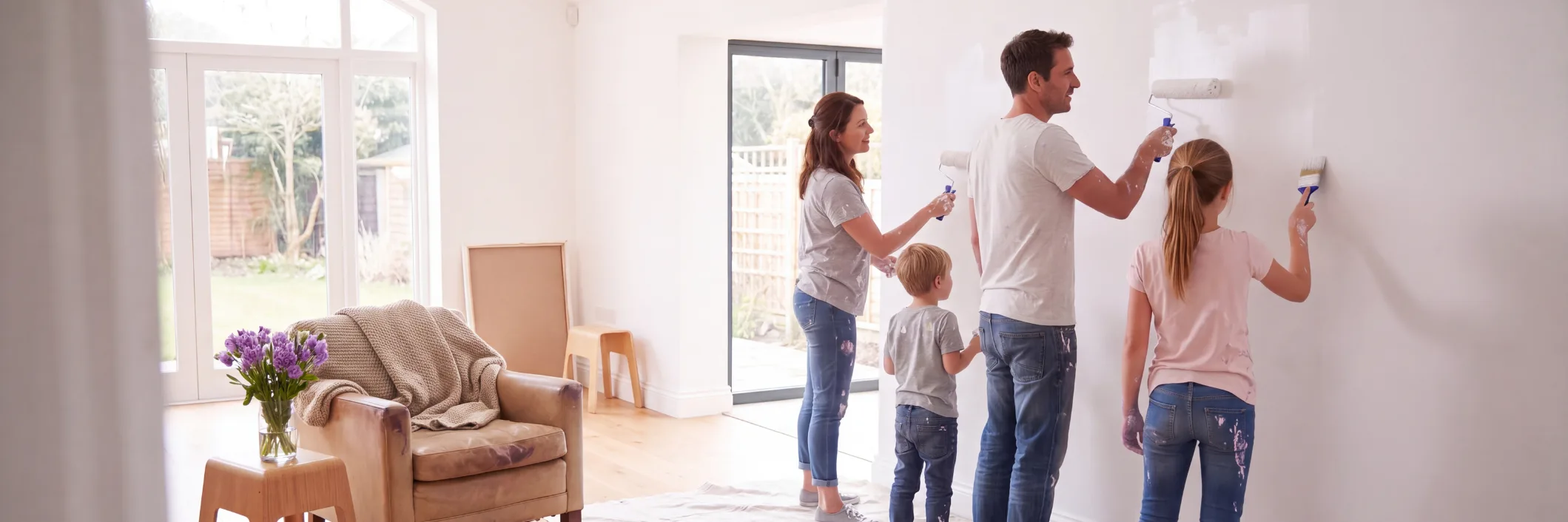
House renovation ideas are easy to save and surprisingly hard to prioritise. A new kitchen might look exciting, but the roof, wiring or damp problem may need your budget first. And if you plan to sell, the most expensive project is not automatically the one buyers will value most.
The best renovation plan starts with the property itself. Fix structural and safety issues first, then improve how the home works, and only then focus on finishes and decoration.
Below, you will find home renovation ideas for each room, lower-cost updates, advice for different UK property types and a sensible order for tackling the work.
Best house renovation ideas at a glance
Start with repairs and energy efficiency, then focus on kitchens, bathrooms and usable living space. Lower-cost wins include paint, lighting, flooring and kerb appeal. Larger projects such as loft or garage conversions can create valuable space, but only when the layout, permissions, build cost and local market make sense.
House renovation ideas room by room
Looking for house renovation ideas but not sure where to start? Whether you’re planning a complete transformation or a few smaller upgrades, there’s plenty you can do to make your home more practical, comfortable and appealing.
From kitchen extensions to clever storage solutions, here are some renovation ideas to inspire your next project.
Kitchen renovation ideas
The kitchen is often one of the busiest rooms in the house, making it a great place to start if you’re looking to improve your home.
Kitchen renovation ideas to consider:
Refresh your kitchen cabinets: Replace dated cupboard doors, paint existing units or swap handles for a more modern look.
Add a kitchen island: If you have enough space, an island can provide extra storage, worktop space and somewhere to sit.
Install open shelving: Replace some upper cabinets with shelving to make a smaller kitchen feel more open.
Upgrade your worktops: Quartz, solid wood or laminate worktops can transform the appearance of your kitchen.
Introduce statement lighting: Pendant lights over an island or under-cabinet lighting can make the space feel more inviting.
Create a kitchen-diner: Removing a non-structural wall or reconfiguring the layout could make room for a dining table.
For a bigger transformation, consider a rear or side-return kitchen extension. This can create space for an open-plan kitchen, dining and living area, particularly in terraced and semi-detached homes.
If you’re renovating to sell, focus on a practical layout, good storage and finishes that will appeal to a wide range of buyers.
Bathroom renovation ideas
A bathroom renovation can make a big difference to how your home looks and feels, even if you’re working with a relatively small space.
Bathroom renovation ideas to consider:
Install a walk-in shower: Replacing a bulky shower enclosure with a walk-in design can give your bathroom a more modern feel.
Add a freestanding bath: If space allows, a freestanding bath can create a focal point.
Choose large-format tiles: Larger tiles can create a cleaner, more seamless appearance with fewer grout lines.
Install a floating vanity: Wall-mounted units provide storage while keeping more floor space visible.
Introduce a statement mirror: An illuminated or oversized mirror can brighten the room.
Add underfloor heating: This can be a practical upgrade when you’re already replacing the flooring.
Create an en-suite: If your bedroom has enough space, adding a small en-suite could make the layout more convenient.
For smaller budgets, replacing taps, updating the shower screen, refreshing grout and adding new lighting can give your bathroom a noticeably different look without a full renovation.
If you’re planning to sell, think carefully before removing the only bath in a family home, as some buyers may prefer having both a bath and shower.
Living room and open-plan renovation ideas
Your living room should work for how you spend time at home, whether that’s relaxing, entertaining or spending time with family.
Living room renovation ideas to consider:
Create a media wall: Built-in shelving and storage around your television can make the room feel more organised.
Add a feature fireplace: Restore an original fireplace or introduce a contemporary design as a focal point.
Install alcove storage: Bespoke cupboards and shelving can make use of otherwise awkward spaces.
Replace solid doors with glazed doors: This can help natural light move between rooms.
Restore original floorboards: Sanding and refinishing timber flooring can bring character back to an older property.
Introduce a window seat: A built-in seat with storage underneath can make the most of a bay window.
Create a flexible open-plan space: Combine a living room and dining area, using furniture, lighting or flooring to define different zones.
If you’re considering removing walls, remember that open-plan living isn’t always the best option. Separate rooms can be useful for families, home working and privacy.
A wider opening or internal glazed doors could offer a compromise between an open layout and distinct living spaces.
Bedroom renovation ideas
Bedroom renovations don’t necessarily require major building work. Smaller changes can make the room feel more spacious, comfortable and organised.
Bedroom renovation ideas to consider:
Install fitted wardrobes: Floor-to-ceiling storage can make better use of awkward corners and alcoves.
Create a feature headboard wall: Panelling, wallpaper or a painted feature wall can give the room more character.
Add a dressing area: Use an unused corner or alcove for a dressing table and storage.
Introduce layered lighting: Combine bedside lamps, wall lights and ceiling lighting to create a more flexible space.
Upgrade your flooring: New carpet or restored wooden floors can change the feel of the room.
Add an en-suite bathroom: Where space and plumbing allow, an en-suite can make a main bedroom more practical.
Create an additional bedroom: Reconfiguring an oversized bedroom or converting suitable unused space could give your home an extra room.
If you’re planning to sell, consider how any changes affect the overall layout. Adding another bedroom may be attractive to buyers, but not if it leaves the existing rooms too small to use comfortably.
Hallway and staircase renovation ideas
Hallways are often overlooked during renovations, despite being one of the first spaces visitors see.
Hallway renovation ideas to consider:
Add wall panelling: Half-height panelling can introduce character and protect walls in busy areas.
Replace your front door: A new door, or restoring an original one, can improve your home’s entrance.
Install statement floor tiles: Patterned tiles can add personality, particularly in Victorian and Edwardian properties.
Create under-stairs storage: Built-in drawers, cupboards or a small utility area can make use of wasted space.
Restore your staircase: Sanding wooden steps, replacing worn runners or updating bannisters can transform the hallway.
Add a skylight: Where the layout allows, a rooflight can bring natural light into a dark stairwell.
Create a boot room: In larger hallways, fitted benches, hooks and shoe storage can help keep clutter under control.
For a budget-friendly update, fresh paint, a new stair runner and improved lighting can make the entrance feel much more welcoming.
Garden and outdoor renovation ideas
Outdoor space can be just as important as the rooms inside your home, particularly if you’re planning to sell.
Garden renovation ideas to consider:
Create a patio or decking area: A dedicated seating space can make the garden more useful for dining and entertaining.
Install an outdoor kitchen: A built-in barbecue or preparation area could work well for homeowners who enjoy entertaining.
Add raised flower beds: These can introduce colour and structure while making planting easier to maintain.
Create a garden office: An insulated garden room could provide a dedicated workspace away from the main house.
Introduce outdoor lighting: Pathway lights, wall lights and subtle garden lighting can make the space more inviting.
Build a pergola: A pergola can help define a seating area and provide some shade.
Add practical storage: A well-positioned shed or bike store can help keep the garden tidy.
For smaller gardens, built-in seating, vertical planting and consistent paving can help make the space feel more organised.
If you’re renovating with a future sale in mind, remember that a tidy, usable garden may appeal to more buyers than an expensive design that requires lots of maintenance.
House extension ideas to create more space
If you’re running out of room but don’t want to move, an extension could help you make better use of your existing property.
There are several ways to extend a house, depending on its layout, available outdoor space and your budget.
Rear extensions
A rear extension can create additional living space by extending into the garden.
They’re particularly popular for creating larger kitchens, dining rooms and open-plan family spaces.
Consider adding rooflights, sliding doors or bifold doors to bring in natural light and connect the new space with your garden.
Side-return extensions
Side-return extensions make use of the narrow strip of outdoor space often found alongside Victorian and Edwardian terraced houses.
Although the additional floor area may be relatively small, it can make a significant difference to the width and layout of a kitchen.
A glazed roof or rooflights can also help prevent the extended room from feeling dark.
Two-storey extensions
A two-storey extension can provide additional space on both the ground and first floors.
For example, you could create a larger kitchen downstairs and an additional bedroom or bathroom upstairs.
These projects require more extensive planning and construction, but they can be worth considering if you need several extra rooms.
Loft conversions
A loft conversion can turn unused roof space into a bedroom, home office or additional living area.
Popular options include dormer conversions, which add headroom and usable floor space, and rooflight conversions, which generally involve fewer changes to the existing roof structure.
If you’re thinking about adding a bedroom, consider whether there’s enough space for a staircase without compromising the rooms below.
Garage conversions
If you rarely use your garage for parking, converting it into a usable room could be another option.
Depending on its size and layout, you could create a home office, playroom, gym, utility room or additional living space.
However, think carefully about local parking demand before making changes. In some areas, retaining a garage could be more attractive to future buyers.
Read our guide to whether a garage adds value to a house before deciding.
Conservatories and garden rooms
A conservatory or garden room can provide additional space without necessarily requiring the same scale of work as a traditional extension.
Modern designs with insulated roofs, efficient glazing and appropriate heating can create a more comfortable space throughout the year.
Before starting any extension or conversion, check whether you need planning permission, Building Regulations approval or a party wall agreement. The requirements will depend on your property, the proposed work and where you live.
House renovation ideas on a budget
If the property is fundamentally sound, cosmetic updates can make a noticeable difference without a full renovation.
Repaint tired rooms in a consistent finish.
Replace damaged or heavily worn flooring.
Update old light fittings and bulbs.
Refresh kitchen handles or cupboard fronts.
Replace cracked sealant and tired bathroom fittings.
Paint or replace a worn front or garage door.
Tidy the front garden and improve the entrance.
Upcycle solid furniture or built-in storage rather than replacing it.
DIY can reduce labour costs for straightforward cosmetic jobs, but leave electrical, gas, structural and specialist work to appropriately qualified professionals.
Renovation ideas by property type and era
Period properties: Victorian, Edwardian and 1930s homes
Older homes often have features buyers value, such as fireplaces, cornicing, timber floors or original doors. Renovation does not have to mean removing them.
Prioritise the condition of the roof, damp, ventilation, wiring and plumbing. Then decide which original details are worth repairing and where modern upgrades will make the home easier to live in.
Bungalow renovation ideas
Bungalows can offer flexible layouts and, in some cases, scope to extend or convert the loft. Before changing the footprint, look at whether the existing rooms can be rearranged to improve light, storage and connections to the garden.
If you are adding another storey or making structural changes, check planning and Building Regulations requirements early.
Renovating a listed building
Listed buildings need extra care. Work that affects the building’s special architectural or historic interest may require listed building consent, including some internal changes.
Do not assume a project is allowed because the same work would be permitted on a non-listed home. Speak to the local planning authority and use professionals experienced with listed buildings before starting.
Which renovation ideas add the most value?
The renovations most likely to help are the ones that fix a weakness or create genuinely useful space. That can mean updating a tired kitchen or bathroom, adding a bedroom, improving energy efficiency, creating off-street parking or making the layout work better.
Loft and garage conversions can also add useful living space, but the value depends on build quality and what you lose in return. For example, converting the only garage in a parking-scarce area may be a trade-off rather than an automatic win.
If a garage is part of your plans, read our guide: Does a garage add value to a house?
Before spending heavily because you hope to increase the sale price, book your free valuation and compare the property with renovated and unrenovated homes nearby.
What order should you renovate a house in?
The exact order depends on the property, but a sensible renovation sequence is:
Survey the property and plan the work.
Fix structural problems, roof issues and water ingress.
Deal with damp and ventilation problems.
Complete major electrical, heating and plumbing work.
Make structural alterations and install new windows or doors where needed.
Plaster and make good walls and ceilings.
Fit kitchens and bathrooms.
Decorate.
Lay final flooring where appropriate.
Finish joinery, snagging and final details.
Doing messy structural and service work first reduces the risk of damaging new finishes later.
What are the first things to renovate in a house?
Start with anything that affects safety, weatherproofing or the structure. A leaking roof, active damp problem, unsafe wiring or failing heating system should normally come before a new kitchen worktop or decorative feature wall.
A building survey can be useful if you have bought an older property or suspect significant defects. Once the building is sound, you can plan the visible improvements with much more confidence.
How much does it cost to renovate a house?
Renovation costs vary enormously. Checkatrade’s September 2026 guide puts a full house refurbishment at roughly £500 to £1,200 per square metre, depending on scope and finish. Its guide for renovating an average three-bedroom house gives a broad total range of about £43,530 to £110,350.
Those are ballpark figures, not a budget for your home. Location, structural work, material choices and the condition of the property can move the total significantly. Build in a contingency and get itemised quotes before work starts.
Planning the sale as well as the renovation? Read Conveyancing for Sellers and our solicitors’ fees guide so you can budget for the next stage too.
How Purplebricks can help
If you are renovating because you plan to sell, it is worth understanding your local ceiling price before committing to a big project. A renovation can improve your home without necessarily returning every pound you spend when you sell.
You can book your free valuation to get a clearer picture of your current position.
Frequently asked questions
What is the correct order to renovate a house?
Start with the structure, roof and water ingress. Then tackle damp, electrics, heating and plumbing before plastering and fitting kitchens or bathrooms. Decoration and final flooring should usually come later. Planning the sequence helps stop finished work being damaged by messier jobs that should have happened first.
How much does it cost to fully refurb a house?
Costs vary by size, location and scope. Checkatrade’s September 2026 guide suggests around £500 to £1,200 per square metre for a full refurbishment, while its example range for renovating an average three-bedroom home is about £43,530 to £110,350. Get local quotes for your actual specification.
What are the first things to renovate in a house?
Fix safety and structural problems first. Check the roof, damp, electrics, heating, plumbing and any signs of movement before spending on decoration. Once the property is sound and weatherproof, move on to layout changes, kitchens, bathrooms and cosmetic improvements.
What is the most affordable way to renovate a house?
Keep the existing layout where it works and focus on cosmetic improvements. Paint, lighting, flooring, cupboard fronts, handles, sealant and kerb appeal can refresh a home without major structural work. Reuse sound fixtures where possible and compare quotes rather than replacing everything by default.
Which renovations add the most value to a house?
The strongest projects are usually those that solve a real problem or add useful space. Kitchens, bathrooms, extra bedrooms, energy improvements, parking and well-designed conversions can all help. The best option depends on what your property lacks and what buyers in your local market value.
The bottom line
The best projects are not always the biggest ones. Fix the fundamentals, improve how the property works and spend with your local market in mind. Before committing to expensive house renovation ideas, book your free valuation to understand what your home could be worth now and what buyers in your area are looking for.