

Does a Garage Add Value to a House?
Does a garage add value to a house? Usually yes - a single garage can add around 5–10%. See what changes the figure, and book your free Purplebricks valuation.
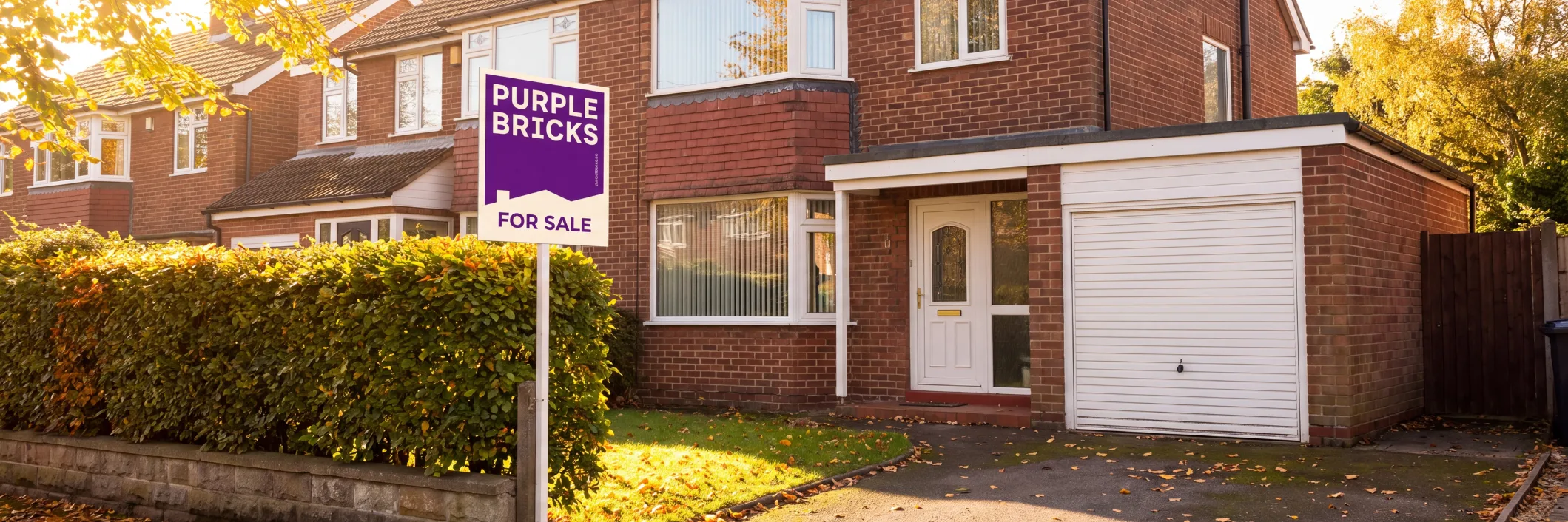
Does a garage add value to a house? In many cases, yes. Secure parking and useful storage can make a property more attractive, especially where on-street parking is limited. But there is no guaranteed percentage uplift. The value depends on your location, the type and condition of the garage and what local buyers actually want.
That makes the keep, build or convert decision less straightforward than some online estimates suggest. A garage may be a major selling point on one street and rarely used for parking on another.
Here is how to judge what your garage could be worth, when a conversion can make sense and what to check before making changes.
Does a garage add value to a house? Quick answer
Yes, a garage can add value to a house. A single garage could increase a property’s value by 5% to 10%, while a double garage could add up to 20%.
However, these figures are estimates rather than guarantees. The value a garage adds depends on its size, condition and location, as well as local demand for parking and storage. A well-maintained garage in an area where parking is limited could be particularly attractive to buyers.
How much value does a garage add?
You will often see estimates suggesting a single garage can add around 5% to 10% to a home, with higher figures sometimes quoted for larger garages. Treat these as broad estimates, not a promise of what your property will achieve.
A buyer does not value the garage in isolation. They compare the whole property with other homes available nearby. The most useful evidence is therefore recent local sales of similar homes with and without garages.
Single vs double garage
A double garage offers more parking and storage, so it may command a bigger premium than a single garage. But doubling the garage does not automatically double the value it adds.
In an area where most households park on driveways and garages are mainly used for storage, the difference may be modest. In a parking-scarce area, secure off-street space can carry more weight.
What could that look like in pounds?
Using the July 2026 average UK house price of £273,000 as a simple example, 5% is £13,650 and 10% is £27,300. That shows why the decision can matter, but it does not mean adding a garage will increase a £273,000 home by that amount.
Before spending money, compare the build cost with the likely local uplift and get a valuation based on your actual property.
What affects how much value a garage adds?
Location and local parking demand
Location is one of the biggest factors. If parking is difficult, permit-controlled or expensive nearby, a garage may be a stronger selling point. In areas with generous driveways and easy street parking, buyers may place more value on the storage than the parking space itself.
Garage type: integral, attached or detached
An integral garage can be convenient because it forms part of the main building and may offer direct internal access. Attached garages can offer similar practicality. A detached garage can still be valuable, particularly if it is secure and easy to reach from the house.
The best option depends on the property. Buyers will care about how usable the space is rather than the label alone.
Size, condition and usability
A garage only adds useful value if buyers can use it. Older garages may be too narrow for modern cars, have awkward access or need significant repairs.
A dry, secure garage with good lighting, power and a working door is more appealing than a space that feels neglected or difficult to access.
Build material: brick, concrete or timber
Permanent, well-maintained construction can feel more useful to buyers than a structure nearing the end of its life. But condition matters more than material alone. A sound timber garage can be more attractive than a damaged brick one.
Garage vs off-street parking: which adds more?
A driveway and a garage solve slightly different problems. A driveway gives quick everyday parking. A garage adds secure storage and may protect a vehicle, bikes or tools from the weather.
If you are deciding where to invest, look at your street. If comparable homes sell well with driveways but no garages, creating practical off-street parking may be enough. If garages are a standard feature locally, removing yours could make the property harder to compare favourably.
Should you keep your garage or convert it?
A garage conversion can be a smart way to create living space without building a full extension. It can work particularly well if the garage is rarely used for parking and you still have a driveway or other off-street space.
But conversion is not automatically the more valuable choice. You gain a room and lose a garage, so the result depends on which feature buyers in your area value more.
How much value does a garage conversion add?
You may see estimates suggesting a good garage conversion can add around 10% or more to a home. Again, there is no universal figure. The result depends on what the conversion creates, how well it integrates with the house and what you give up to make it happen.
A proper bedroom, office or family room that improves the layout may be more valuable than a poorly insulated room that still looks and feels like a converted garage.
When converting is worth it, and when it is not
Conversion is more likely to make sense when the garage is underused, the home needs extra living space and parking remains available elsewhere on the plot.
Think carefully before removing the only off-street parking in an area where spaces are scarce. The extra room may be useful, but some buyers could see the loss of parking as a compromise.
Planning permission, Building Regulations and the old four-year rule
Many garage conversions in England can fall within permitted development rights if the work is internal and does not enlarge the building. That is not guaranteed. Planning conditions, listed status, conservation areas and changes to the exterior can affect what is allowed. Building Regulations approval is also commonly required for creating habitable space.
You may still hear people refer to a four-year planning enforcement rule. In England, the position changed on 25 April 2024. For operational development substantially completed on or after that date, the usual enforcement period is now 10 years. The older four-year limit can still be relevant to certain work completed before 25 April 2024. Always check the position with your local planning authority or a planning professional.
Does getting rid of a garage devalue your house?
It can. Removing a garage may reduce appeal if it takes away scarce parking or valuable storage. But if the garage is rarely usable and a high-quality conversion creates a room buyers value more, the overall property may still become more attractive.
This is why a local valuation is more useful than applying a national percentage to the property.
How to add the most value with your garage before you sell
You may not need a major project. Small changes can make the garage feel much more useful to a buyer.
Repair or refresh a tired garage door.
Clear clutter so buyers can see the full size of the space.
Fix obvious leaks or damp problems.
Improve lighting and make sure existing electrics are safe.
Check locks and basic security.
Tidy the driveway and access to the garage.
Keep paperwork for any conversion or structural work.
How Purplebricks can help you sell
If you are deciding whether to keep, improve or convert a garage before selling, start with the local market. A valuation can help you compare your home with similar properties nearby before you spend money on a project.
You can book your free valuation with Purplebricks. If you decide to move, Sell your house quickly with a fixed-fee selling option.
You can also read our guide to Conveyancing for Sellers and our solicitors’ fees guide when you are planning the wider cost and process of a sale.
Frequently asked questions
Does getting rid of a garage devalue your house?
It can, particularly if the garage provides the property’s only secure or off-street parking. The impact may be smaller where parking is easy and the garage is not practical for a modern car. A good conversion can sometimes offset the loss by creating more useful living space.
What adds the most value to a house?
There is no single improvement that adds the most value to every home. Extra usable space, a better layout, well-maintained kitchens and bathrooms, energy improvements and off-street parking can all help. The best return usually comes from fixing a weakness buyers notice in your particular property.
What is the four-year rule for garage conversion?
The phrase usually refers to old planning enforcement time limits in England. The rules changed on 25 April 2024. Operational development completed on or after that date generally has a 10-year enforcement period, while the previous four-year period can still apply to certain earlier work. Get planning advice for your specific conversion.
What decreases property value the most?
Major structural defects, serious damp, unresolved legal issues and poor overall condition can all reduce what buyers are willing to pay. Location and local demand matter too. Removing a useful garage may affect value in some areas, but there is no fixed percentage that applies to every home.
Does a garage conversion add value?
A well-designed conversion can add value if it creates genuinely useful living space and still leaves enough parking or storage for the property. Poor conversions can have the opposite effect. Quality, permissions, Building Regulations compliance and local buyer demand all matter.
The bottom line
So, does a garage add value to a house? Usually it can, but the amount depends on the property and local demand. Before building, converting or removing one, book your free valuation to understand what buyers value in your area and whether your garage is likely to help your sale.