

How to Sell and Buy a House at the Same Time
Selling and buying a house at the same time? Our UK guide walks you through the process, costs, chains and finance options — plus how to keep your move on track.
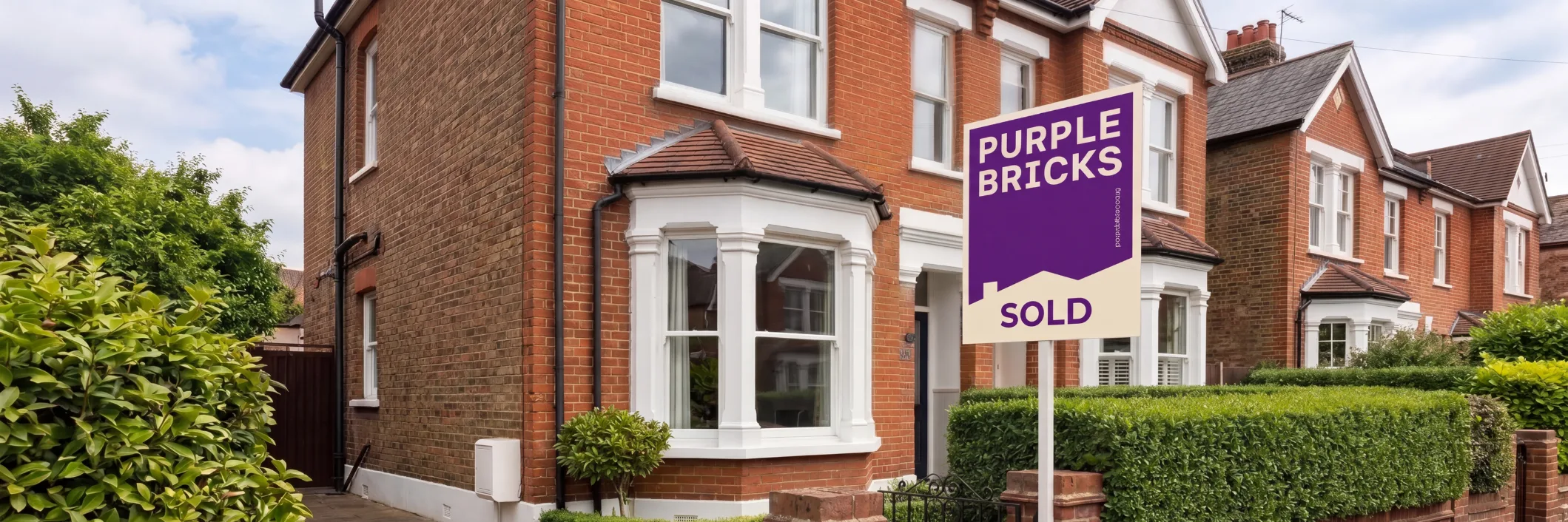
Knowing how to sell and buy a house at the same time can make moving feel a little less like a juggling act.
For many homeowners, selling and buying simultaneously is completely normal. The money from your current home helps fund the next one, which means both transactions become connected in what's known as a property chain.
The tricky bit is timing. Mortgage offers, surveys, searches and solicitors all need to line up, and a delay elsewhere in the chain can affect your move too.
The good news is that you don't have to manage everything alone. Here's how the process works and what you can do to keep things moving.
Can you sell and buy a house at the same time?
Yes. Most homeowners who are moving from one property to another sell and buy at the same time. Usually, your sale and purchase progress alongside each other, with your solicitor coordinating the two transactions so that the money from your sale can be put towards your new home.
How to sell and buy a house at the same time: step by step
The process of selling and buying a house at the same time can be broken down into seven main stages.
1. Get your home valued and ready to market
Before falling in love with your next home, find out what your current one could be worth. That will give you a much clearer idea of your budget and how much equity you may have available for your next purchase.
You can book your free valuation with Purplebricks.
2. Work out your finances: porting vs remortgaging
If you already have a mortgage, speak to your lender or mortgage adviser early. You may be able to port your existing mortgage product to your next home. That doesn't mean physically transferring the same loan: you'll still normally need to meet your lender's affordability criteria and the new property will need to be acceptable to them.
Alternatively, you might remortgage with your current lender or move to another one. Check whether your existing mortgage has an early repayment charge and factor mortgage fees, moving costs and Stamp Duty or the relevant property tax into your budget.
3. Prepare your paperwork and EPC
Getting organised before you find a buyer can help avoid unnecessary delays later. Useful paperwork includes:
· Your Energy Performance Certificate (EPC)
· Guarantees for work carried out
· Planning permission and building regulations documents
· Boiler servicing records
· Property title information
· Details of fixtures and fittings
If your property doesn't have a valid EPC, you'll usually need one before marketing it for sale.
4. Accept an offer on your home
Once you have a buyer, you'll be in a stronger position when making offers yourself. A seller may be more comfortable accepting your offer if your own property is already under offer because there's less uncertainty about whether you'll be able to proceed.
5. Find your next home and make an offer
Now comes the exciting bit. When making an offer, be clear about your position in the chain. Your estate agent can communicate with everyone involved and help set realistic expectations around timings.
6. Instruct your solicitor and start conveyancing
Once offers are agreed, the legal work begins. Your conveyancer handles the sale of your existing home while also dealing with the purchase of your new one.
Our guide to Conveyancing for Sellers explains what happens on the selling side.
7. Exchange and complete
Ideally, your sale and purchase will exchange in a coordinated way, with completion arranged so you can move directly from one home to the other. On completion day, your solicitor receives the funds from your buyer and deals with the onward funds needed for your purchase.
For more detail on reaching the finish line, here are 8 Steps to Finalise Your Property Sale.
Should you sell your house before buying another, or buy first?
Both approaches have pros and cons. Selling first puts you in a stronger buying position because you know how much money you have available and aren’t relying on finding a buyer later. However, if you complete your sale before buying somewhere else, you may need temporary accommodation and storage.
Buying first means you secure your next home before selling, but you’ll need a way to finance it without relying immediately on your sale proceeds. For many movers, the middle ground is putting their current property on the market first and beginning the serious search for their next home once they’ve attracted interest or accepted an offer.
What happens if you buy a house before selling yours?
If you have enough savings, borrowing capacity or other finance, you can buy your next property before selling. However, this may mean temporarily owning two properties and paying two mortgages.
There can also be property tax implications. In England and Northern Ireland, buying another property while still owning your previous main residence can mean paying the higher SDLT rates upfront. Depending on the circumstances, you may be able to claim a refund if you subsequently sell your previous main residence within the relevant timeframe. Always check the current rules before making a decision.
What fees do you pay when selling and buying a house?
When you’re doing both at once, there are costs on both sides of the move. These can include:
· Estate agency fees
· Solicitor or conveyancer fees
· Mortgage fees
· Property searches
· Survey costs
· Stamp Duty Land Tax or the equivalent tax in Scotland or Wales
· Removal costs
· EPC costs, where required
· Mortgage early repayment charges, where applicable
Your solicitor will usually charge for both the sale and purchase.
For more detail on the selling side, read our solicitors’ fees guide.
How to manage the property chain
A property chain is a group of linked transactions where one sale depends on another. For example, your buyer may need to sell their home before buying yours, while you need to sell yours before buying the property above you. The longer the chain, the more opportunities there are for delays.
Common problems include:
· Mortgage delays
· Problems found during surveys
· Slow searches or conveyancing
· A buyer or seller changing their mind
· Someone renegotiating the price
· One transaction falling through
Good communication is one of the simplest ways to keep things moving. Return paperwork quickly, keep your solicitor and estate agent updated and avoid committing to removals or other non-refundable costs before dates are confirmed.
And if something does go wrong, don't automatically assume the whole move is over. Depending on where the problem occurs, there may be time to find another buyer or renegotiate dates.
How Purplebricks helps you sell and buy at the same time
When two moves need to line up, knowing what's happening with your sale makes a big difference. Purplebricks can help you market your existing property, manage offers and keep your sale moving while you focus on finding your next home.
Start by finding out what your current home could be worth and book your free valuation.
Ready to move? Sell your house quickly with Purplebricks.
Frequently asked questions
What is a property chain?
A property chain is a series of linked home purchases. Each buyer or seller depends on another transaction completing, so a delay or problem with one property can affect everyone else in the chain.
What does chain-free or no onward chain mean?
A chain-free buyer doesn’t need to sell another property before purchasing. “No onward chain” usually means the seller isn’t relying on buying another property for their sale to proceed. Both situations can make a transaction simpler, although delays can still happen.
Can I buy a new house before I’ve sold mine?
Yes, if you can afford to fund the purchase without your sale proceeds. You may temporarily have two mortgages and could face higher property transaction taxes, depending on where you live and your circumstances.
Do you need two solicitors when buying and selling a house?
You don’t normally need two separate firms. The same solicitor or conveyancer can often handle your sale and purchase together, provided there’s no conflict of interest. You’ll pay legal costs relating to both transactions.
Is it worth selling to a house-buying company?
It depends on your priorities. A house-buying company may offer speed and a chain-free transaction, but the price offered can be below what you could achieve on the open market. Compare the figures carefully before deciding.
Can I use my sale proceeds as the deposit on my next home?
Yes. This is common when moving home. Your solicitor can use the funds released from your sale towards your onward purchase, which is one reason sale and purchase completion dates are often coordinated.
What are the most common problems when selling and buying at the same time?
Mortgage delays, survey problems, slow conveyancing, renegotiations and someone withdrawing from the chain can all cause delays. Responding quickly to paperwork and maintaining good communication can help keep your move on track.
How long does it take to sell and buy a house at the same time?
There’s no guaranteed timeframe because every chain is different. Searches, mortgage applications, surveys and the number of linked transactions can all affect how long the process takes.
Should I sell my house before buying another?
Getting your home under offer before committing to another property can put you in a stronger position. However, completing your sale before buying means you may need temporary accommodation. The right approach depends on your finances and circumstances.
Learning how to sell and buy a house at the same time is mainly about preparation, communication and keeping both sides of your move progressing together.