

How to Increase the Value of Your Home: The Improvements That Add the Most
How to add value to your home before you sell — the improvements that add the most, cheap wins, what to avoid, and how much value they really add in the UK.
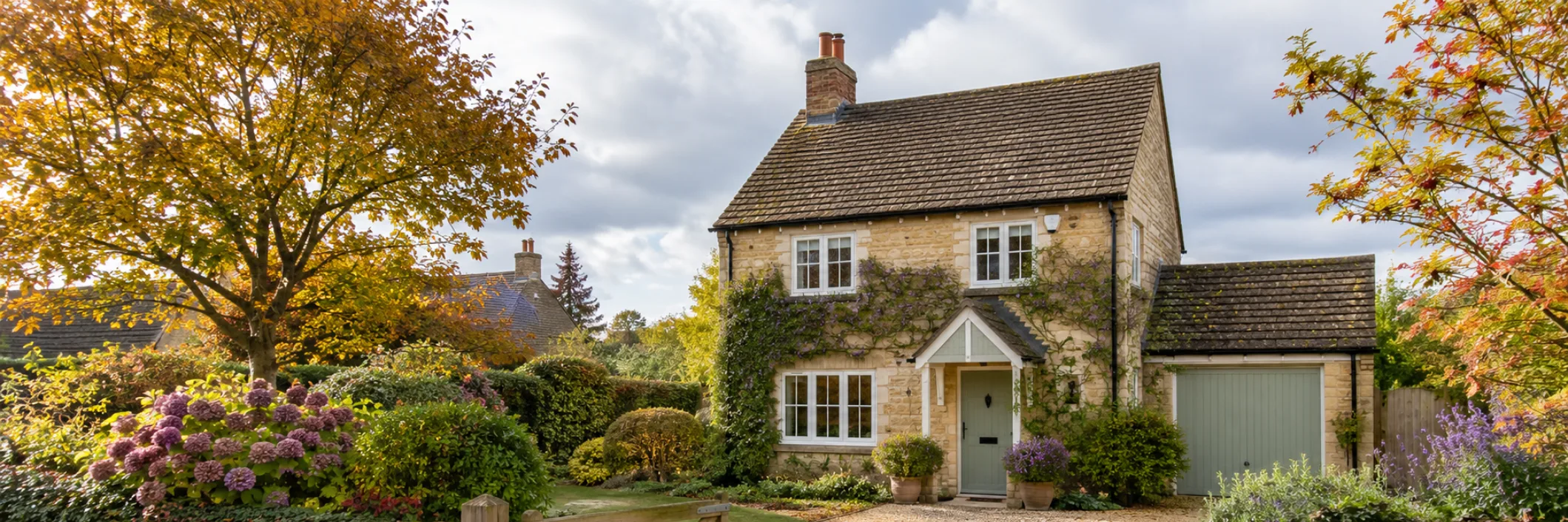
If you're wondering how to increase the value of your home, it's tempting to jump straight to a new kitchen, extension or major renovation. But bigger doesn't always mean better.
The improvements that make the biggest difference tend to do one of three things: create useful space, solve an existing problem or make the home more appealing to a wider group of buyers.
And if you're planning to sell soon, spending thousands isn't always necessary. Smaller jobs like decorating, improving kerb appeal and fixing obvious maintenance issues can help your home make a much better first impression.
And… once you've accepted an offer, our guide to Conveyancing for Sellers explains what comes next, while here are 8 Steps to Finalise Your Property Sale when you're approaching the finish line.
Here's where your renovation budget could be best spent, and where it might be better left alone.
What adds the most value to a house?
Improvements that create additional usable living space, add bedrooms or bathrooms, improve a poor layout or solve significant problems can have the biggest effect on a home's value. But there's no guaranteed return. Location, property type, local ceiling prices, build quality and what buyers actually want all matter.
How to add value to your home: the improvements that work
Add usable space
Extra usable space can make a home appeal to a wider range of buyers.
· A loft conversion
· An extension
· A garage conversion
· An additional bedroom
· A properly designed garden room
Before extending, compare your home with similar properties nearby. If you're already close to the maximum price buyers typically pay for your type of property in the area, an expensive extension may cost more than the value it adds. Planning permission and building regulations may also apply, so check what's required before starting work.
Reconfigure for open-plan living
Sometimes you don't need more square footage. You just need to make better use of what you already have.
Opening up a cramped kitchen and dining room, improving the flow between spaces or creating a more practical kitchen-diner can make a property feel larger and better suited to modern life.
But don't knock down walls simply because open-plan living is popular. Structural work needs professional advice, and removing too many separate rooms can actually make a property less practical for some buyers.
Add or upgrade a bathroom
An extra bathroom or en suite can be particularly useful in larger family homes.
If you already have enough bathrooms, a refresh may be more sensible than a complete refit. Replacing tired sealant, taps, lighting or flooring can make the room feel much newer without spending thousands.
Modernise the kitchen
Kitchens are important to buyers, but that doesn't automatically mean installing an expensive designer one.
If the existing kitchen is fundamentally sound, replacing cabinet doors, worktops, handles or lighting can transform it for much less. If you're selling soon, choose finishes with broad appeal rather than something highly personalised.
Improve energy efficiency and your EPC rating
Running costs matter to buyers too.
· Better loft or wall insulation
· Double glazing
· Draught proofing
· A more efficient heating system
· Smart heating controls
Some improvements may also help your Energy Performance Certificate rating. Focus first on changes that make the property genuinely warmer, cheaper or easier to run rather than chasing an EPC score for its own sake.
Boost kerb appeal
You don't get a second chance at a first impression.
Simple jobs such as painting the front door, cleaning the windows, repairing a tired fence and cutting back an overgrown garden can immediately make your home feel better cared for. You don't need a show-home entrance. Clean, tidy and well maintained goes a long way.
Add off-street parking
In areas where parking is difficult, creating a driveway can be attractive to buyers.
Whether it adds enough value to justify the work depends heavily on location, available street parking and how much front garden you'll lose. You'll also need to check whether planning permission or permission for a dropped kerb is required.
Make the most of outdoor space
A usable garden can be another selling point, particularly for family homes.
Rather than spending heavily on elaborate landscaping, focus on making the space easy for buyers to understand. A tidy lawn, secure fencing, simple planting and an obvious seating area can be enough.
How to add value to your home on a budget
You don't need a renovation budget to make your home more appealing. If you're preparing to sell, start with the jobs buyers will notice immediately:
· Declutter rooms
· Touch up chipped paint
· Deep clean kitchens and bathrooms
· Replace broken handles and fittings
· Clean windows
· Improve lighting in dark rooms
· Tidy the garden
· Fix dripping taps
· Repair visibly damaged flooring
· Clear hallways and entrances
These changes don't necessarily increase the underlying market value of the property themselves. What they can do is improve presentation, reduce obvious reasons for buyers to negotiate and help people see the home's potential.
What devalues a house the most (and improvements to avoid)
Before thinking about additions, deal with existing problems. Structural issues, significant damp, roof problems and unresolved maintenance can worry buyers and may have a bigger effect on value than a cosmetic renovation can make up for.
It’s also worth being careful about improvements with limited buyer appeal. These can include:
· Removing a bedroom to make another room larger
· Very expensive finishes that push the home beyond local values
· Swimming pools that require significant maintenance
· Highly personalised renovations
· Removing useful garden or parking space to extend
The aim isn't simply to spend money on your home. It's to spend it where it makes sense. And when you’re ready to move, Sell your house quickly with Purplebricks.
How much value do improvements really add? Get a valuation first
You'll see plenty of claims online that an extension adds X%, a new kitchen adds Y% and a loft conversion guarantees a certain return. Real homes aren't quite that simple. The same £30,000 renovation could make financial sense for one property and very little sense for another.
Before starting expensive work, look at the value of similar homes nearby both with and without the feature you're considering.
An independent valuation can also help you understand your property’s current position in the local market. Book your free valuation with Purplebricks before committing to a major project.
And remember to consider your entire moving budget. Renovation costs aren’t the only expense involved in selling; our solicitors’ fees guide covers some of the legal costs to expect.
How Purplebricks can help you add value and sell for more
You don't need to renovate every room before putting your home on the market. A Purplebricks valuation can help you understand what your home could be worth now and whether major work is likely to be worthwhile before you sell.
Frequently asked questions
What increases house value the most?
Creating useful additional living space, improving a poor layout and adding bedrooms or bathrooms can have a significant effect. However, there's no single improvement guaranteed to deliver the best return because the property's location, existing condition and local ceiling price all matter.
What devalues a house the most?
Major structural problems, serious damp, poor maintenance and legal issues can all reduce buyer confidence and affect value. Some factors, such as location or nearby noise, are difficult to change, which makes accurate pricing particularly important.
How much will my house go up in value in 10 years?
There's no reliable way to predict exactly what an individual property will be worth in 10 years. House prices can rise or fall depending on the economy, mortgage rates, local supply and demand and changes to the surrounding area.
Are house prices falling in 2026?
Not nationally at the latest official reading. The June 2026 UK House Price Index showed average UK prices were 2% higher than a year earlier, although performance varied considerably by region and property type. Past and current price movements don’t guarantee what happens next.
What adds the most value to a house on a budget?
Focus on maintenance and presentation first. Fresh paint, a deep clean, better lighting, a tidy garden and fixing obvious defects can make a home more appealing without a major renovation budget.
Does an extension always add value?
No. An extension can add useful space and increase value, but the return depends on build costs, quality, local demand and the ceiling price for similar homes nearby. Losing too much garden space or creating a poor layout can also work against you.
Ultimately, how to increase the value of your home isn't about spending the most money. It's about understanding your property, your local market and which changes buyers will genuinely value.